Welcome to the studio blog, where I share behind-the-scenes stories from my children’s book studio, gentle wildlife and nature facts, seasonal craft ideas, and updates from studio life. It’s a space for curiosity, creativity, and building a closer connection to the natural world.
There is something incredibly special about the way Sir David Attenborough shares the natural world. It is never loud or overwhelming. He does not tell us what to feel. He simply shows us enough that we begin to care on our own.
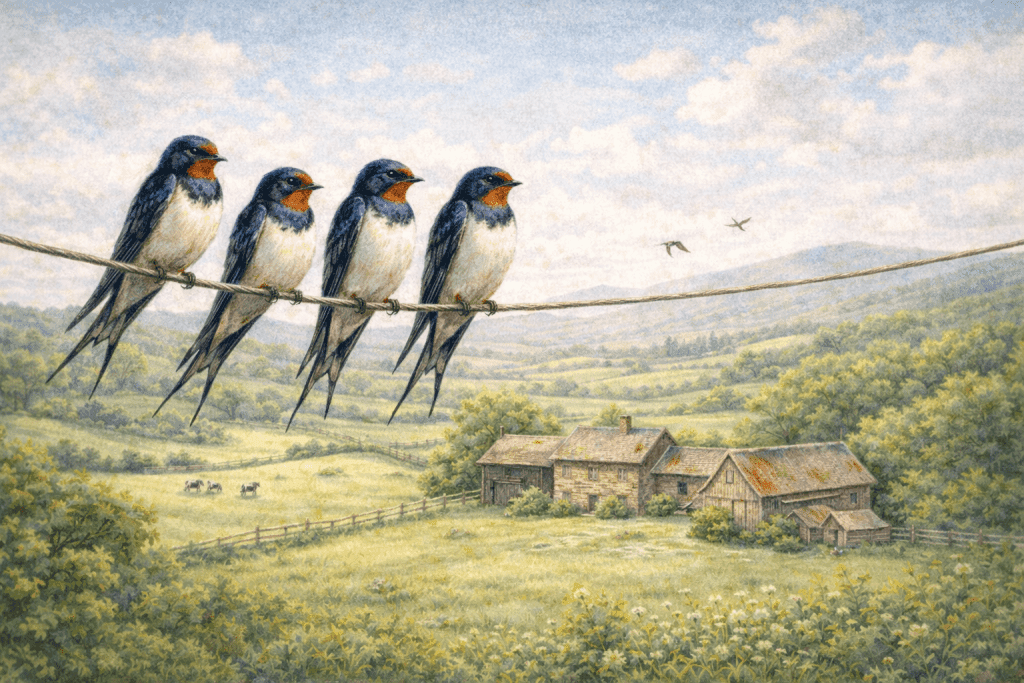
Each spring, the return of the Barn Swallow is one of the most uplifting signs of the season. Their forked tails and fluid flight stitch the sky above fields and farmyards, a reminder that warmer days are on their way.
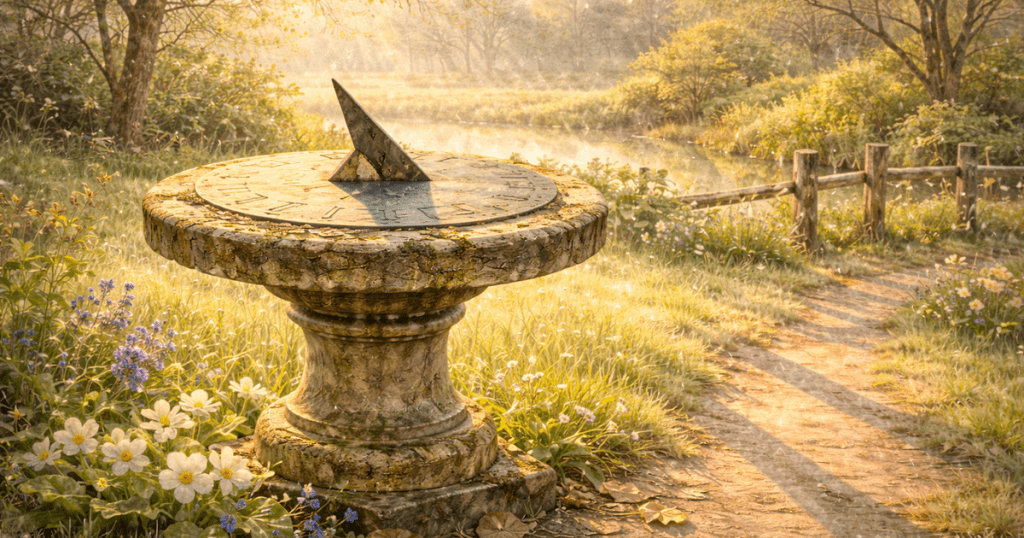
On 20th March, we reach the Spring Equinox in the UK, a significant moment in the natural calendar that marks the official beginning of astronomical spring.
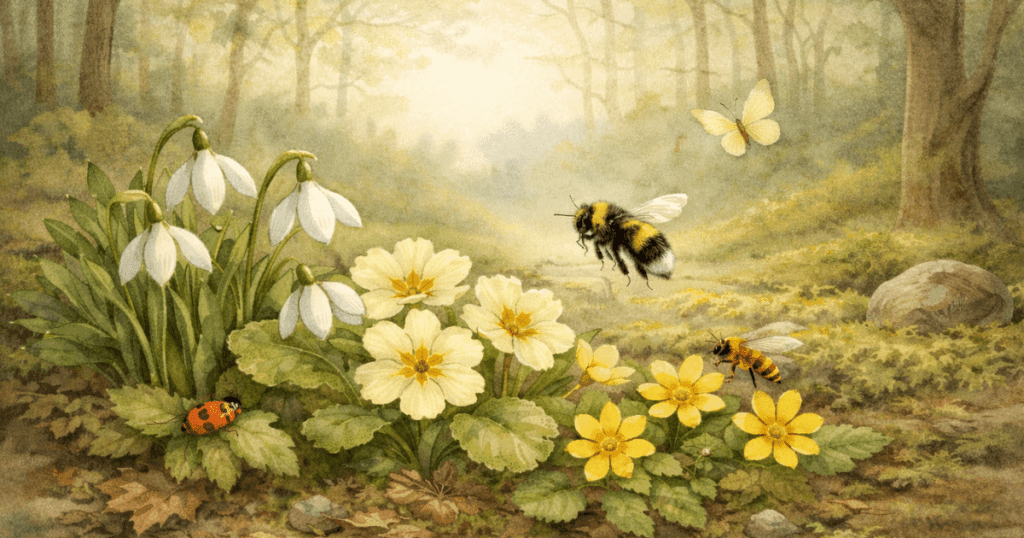
White and yellow are the most common colours among early spring wildflowers. These pale colours are especially effective during late winter and early spring when light levels are low and vegetation is sparse.
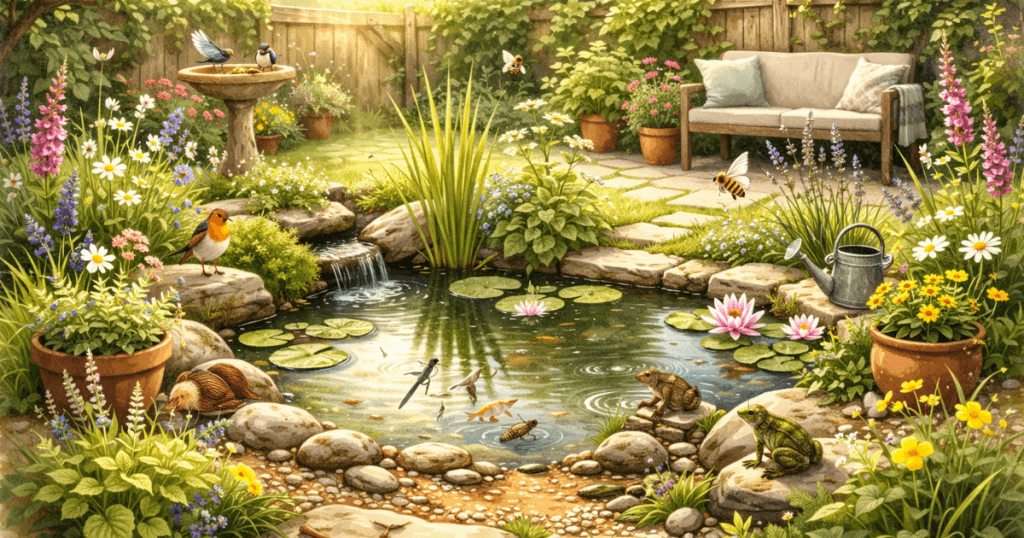
Creating a wildlife pond is one of the most powerful things you can do to support nature at home. Even a small pond can quickly become a busy hub of life, attracting frogs, dragonflies, pond skaters, birds and beneficial insects.
Choosing print-on-demand was intentional. I didn’t want excess stock or unsold books being pulped. I wanted each copy printed because someone genuinely chose it.