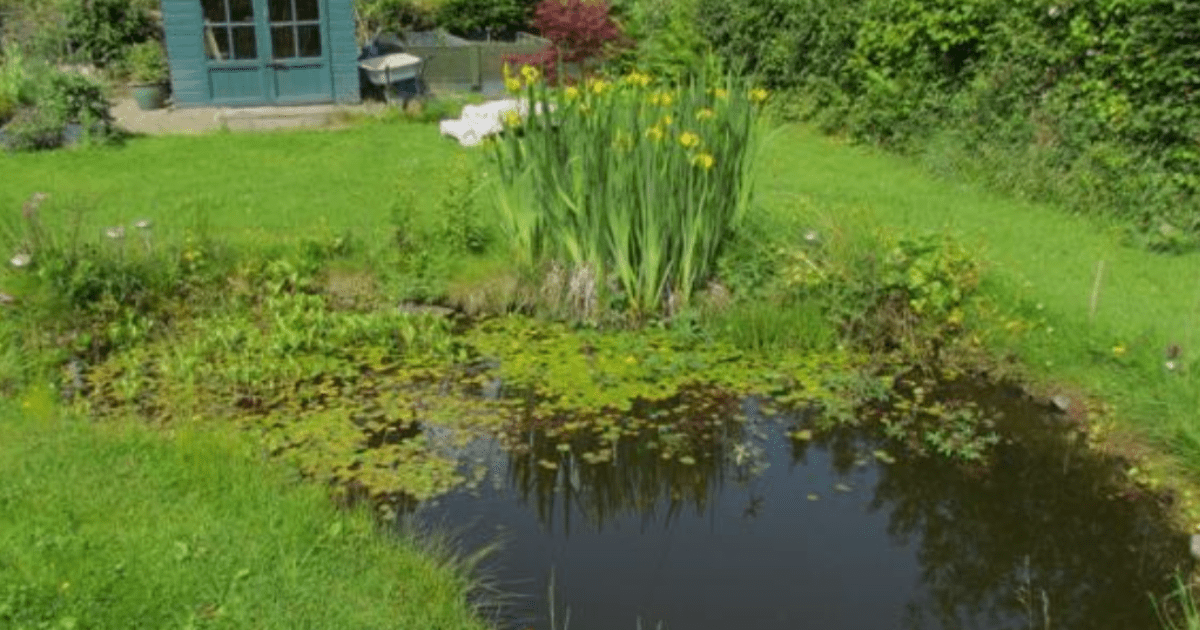
The good news? You don’t need a huge garden or expensive materials. A wildlife pond can be as simple or as creative as you like.
Why Build a Wildlife Pond?
Ponds provide:
- Fresh drinking water for birds and mammals
- Breeding habitat for frogs and amphibians
- Shelter for aquatic insects
- A safe refuge during hot summers and cold winters
In the UK, natural ponds are disappearing, so even a small garden pond can make a big difference to local biodiversity.
Planning Your Wildlife Pond
Before you start digging (or filling!), choose a spot that:
Is visible from a window so you can enjoy watching wildlife
Gets some sunlight (but not full sun all day)
Is away from overhanging trees (to reduce excess leaf fall)
When designing a wildlife pond, structure is key.
A Deeper Section in the Middle
Create a deeper area in the centre. Ideally around 60cm (2ft) if space allows.
This deeper section:
- Stops the pond freezing solid in winter
- Provides a refuge for frogs and newts
- Allows fish (if you choose to include them) to survive cold spells
- Gives aquatic insects a safe overwintering space
Even in small ponds, try to include at least one deeper pocket.
Shallow Sloping Edges
Around the outside, create gently sloping shallow areas.
These are essential because:
- Animals need easy access in and out
- Hedgehogs and small mammals can escape safely
- Birds can bathe comfortably
- Tadpoles and insects thrive in warmer shallow water
Avoid steep, sheer sides wherever possible.
No Garden? No Problem.
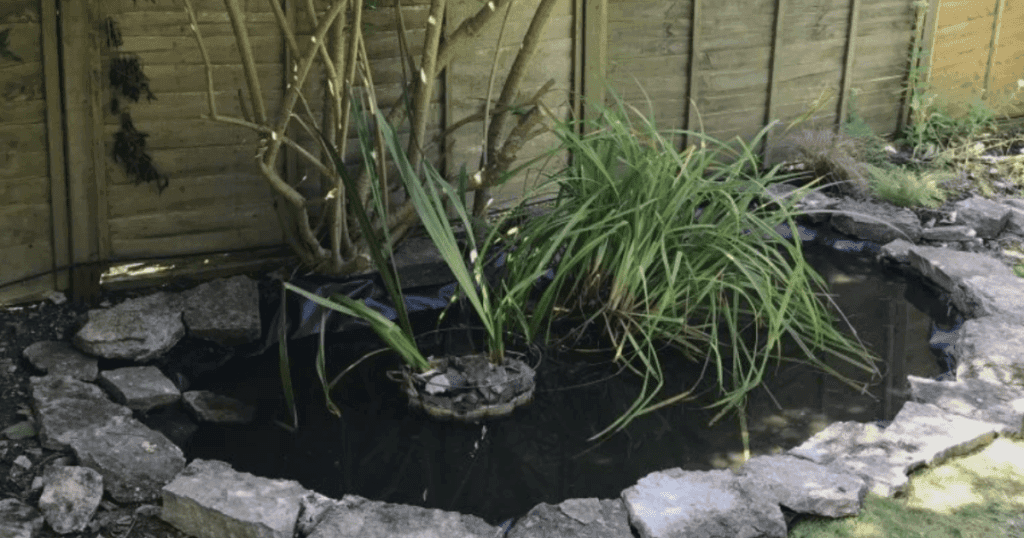
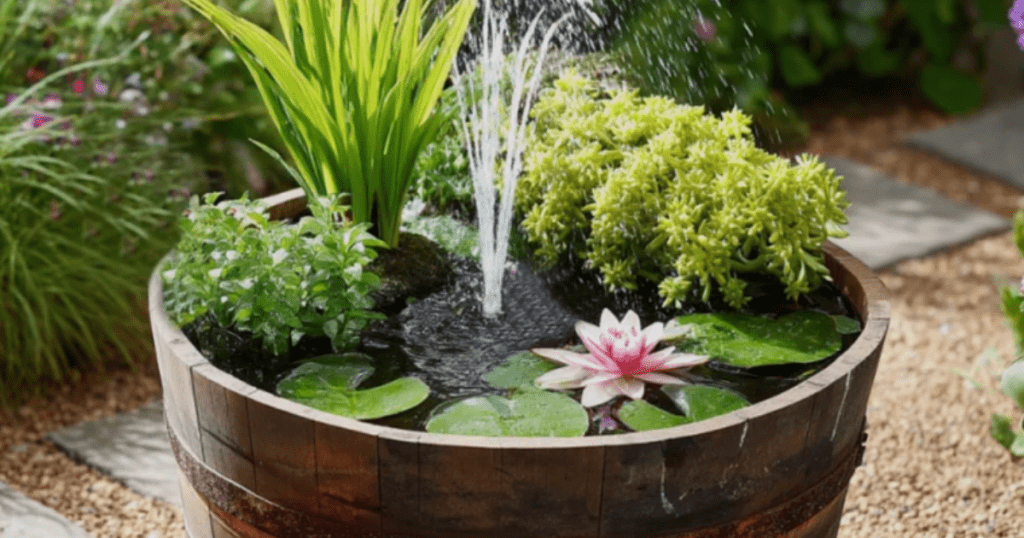
If you don’t have space to dig a pond into the ground, you can still create a miniature wildlife pond.
Try using:
- An old washing-up bowl
- A large plant pot (without drainage holes)
- A half barrel
- A watertight container on a patio or balcony
Simply fill with rainwater, add a few aquatic plants, and include a ramp (stones or a piece of wood) so wildlife can climb out easily.
Even the smallest container pond can attract insects within weeks.
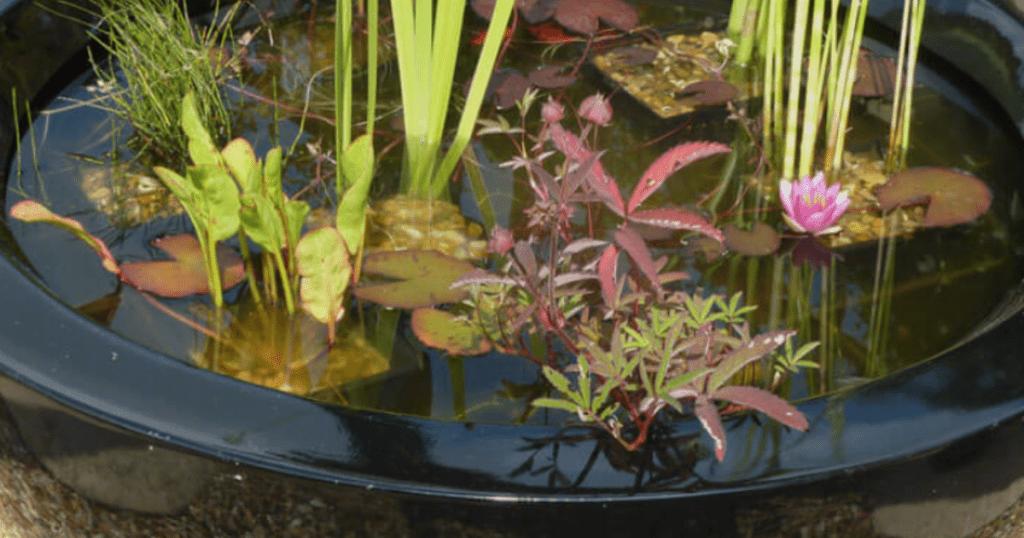
Planting for Oxygen, Shelter and Shade
Plants are the heart of a healthy wildlife pond. Native species are best because they support local ecosystems.
Include a mix of:
🌼 Oxygenating Plants
These sit underwater and help keep the water clear by releasing oxygen.
Examples include hornwort and water crowfoot.
🌿 Marginal Plants
These grow around the edges and provide cover for amphibians and insects.
Look for native species such as marsh marigold or water mint.
🌸 Floating Plants
Provide shade and resting spots for insects.
Water forget-me-not is a lovely choice.
Aim for a natural look. Wildlife prefers it that way.
A Few Important Tips
- Always use rainwater if possible (tap water contains chemicals).
- Avoid adding fish unless the pond is large. They eat tadpoles and insect larvae.
- Never introduce plants or animals from the wild.
- Don’t add fountains or pumps. Still water is perfect for wildlife.
Leave fallen leaves in moderation; remove excess to prevent decay overload.
What Might You See?
Within months, your pond could welcome:
- Frogs and possibly newts
- Dragonflies and damselflies
- Pond skaters
- Water beetles
- Birds stopping by to drink and bathe
It’s incredibly rewarding for children too. Watching tadpoles grow is a magical, hands-on nature lesson.
A Gentle Way to Support Nature at Home
A wildlife pond doesn’t need to be large or perfectly landscaped. In fact, the more natural and relaxed it looks, the better.
Whether you dig a pond into your garden or place a washing-up bowl pond on a patio, you’re creating a lifeline for wildlife.
Small spaces can still make a big difference.