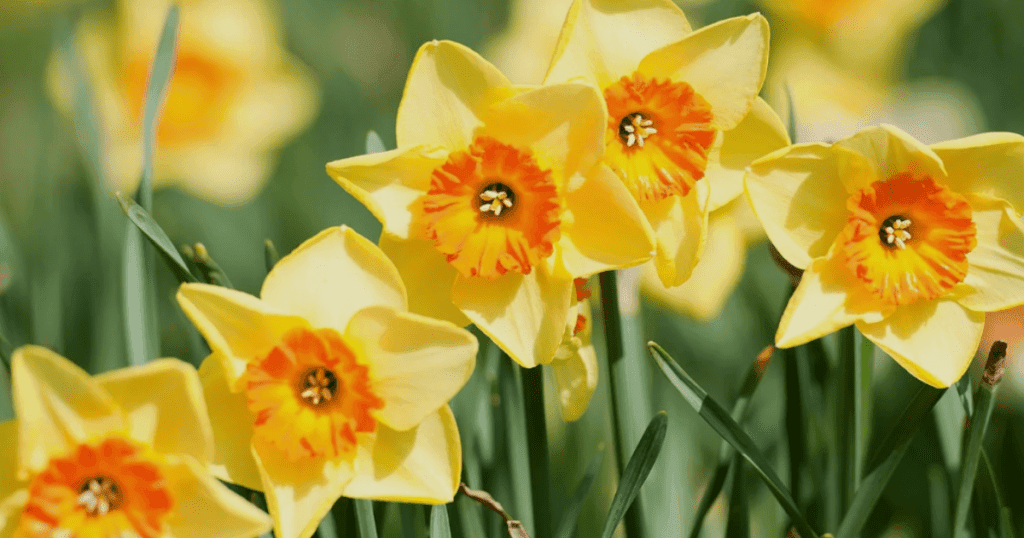
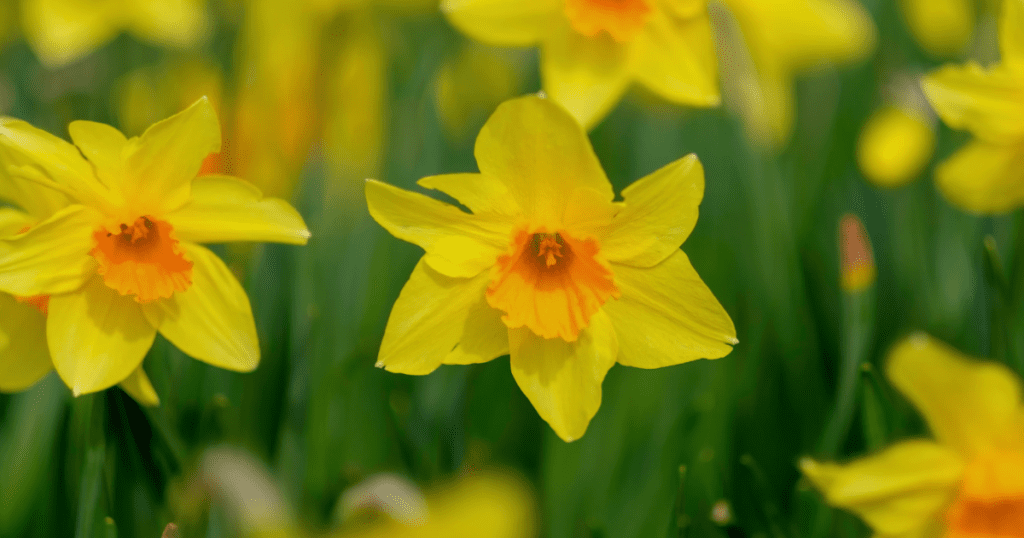
On 1st March each year, bright yellow daffodils begin appearing pinned to coats and tucked into windowsills.
St David’s Day has always felt quietly meaningful to me. My granddad, who I called Pappy, was Welsh, so Wales has always been part of my story too. It feels fitting that the national symbol is a flower that signals hope just as winter begins to loosen its grip.
Why the Daffodil?
The daffodil is closely linked to St David’s Day, which celebrates the patron saint of Wales. Its Welsh name, cenhinen Bedr, translates to “Peter’s leek,” and over time it became associated with the leek – another historic Welsh emblem – partly because of the similarity in their names.
More practically, daffodils bloom naturally across Wales in early spring. At a time when colour is scarce, their bright yellow petals stand out in fields, churchyards and gardens. They grow from bulbs, storing energy underground through winter, ready to reappear year after year. That quiet resilience feels symbolic in itself.
The Landscape of Wales
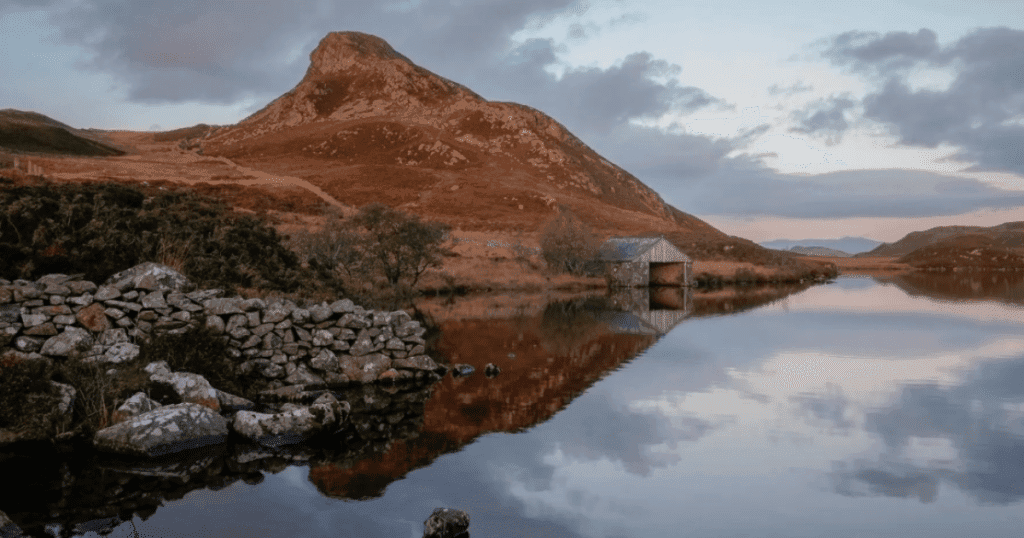
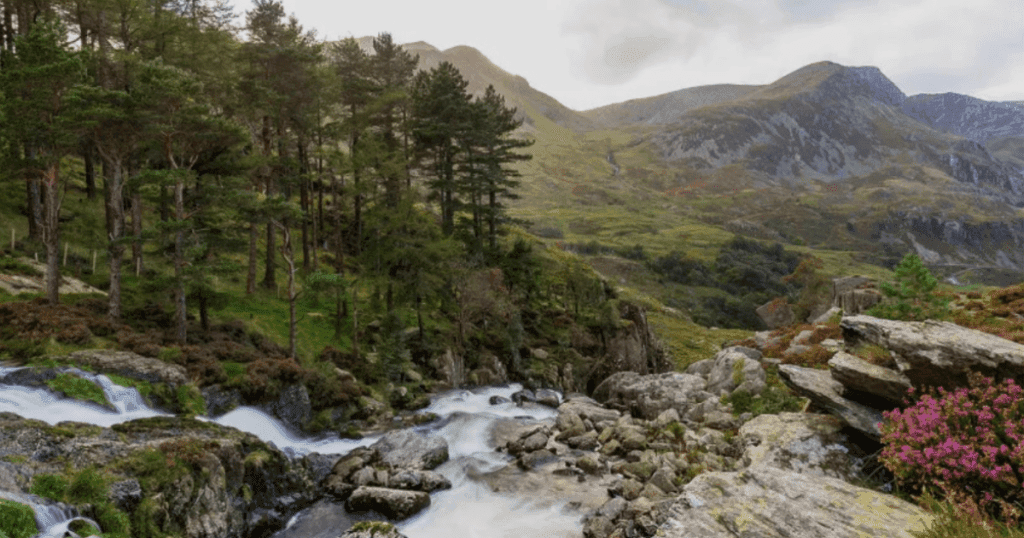
Wales is a country shaped by wild, varied landscapes. From the rugged mountains of Eryri (Snowdonia) to sweeping coastal paths and ancient woodland, nature is never far away.
With over 1,600 miles of coastline and three National Parks – Eryri, Bannau Brycheiniog (the Brecon Beacons) and the Pembrokeshire Coast – much of the country is protected for its natural beauty. Mist rolls across hillsides, stone walls divide open farmland, and the sea feels present on nearly every horizon.
Wildlife in Wales
These landscapes support remarkable wildlife. Red kites, once nearly extinct in Britain, now glide above Welsh valleys. Atlantic grey seals haul out along the Pembrokeshire coast, while choughs (a rare member of the crow family) nest on sea cliffs. Offshore islands such as Skomer become home to puffins each spring.
And as the seasons turn, woodland floors brighten with flowers, daffodils among them, alongside primroses and bluebells.
A Quiet Celebration
St David’s Day feels like more than a date on the calendar. It’s a celebration of place, resilience and belonging.
For me, it’s also a quiet nod to Pappy and to the Welsh thread woven into my own story.
Perhaps that’s why I love daffodils so much. They return each year without fanfare. Small, bright reminders that spring always comes back.