Spring flowers are some of the earliest signs that winter is coming to an end. Long before gardens are in full bloom, small wildflowers begin to appear in woodlands, hedgerows, and grassy verges. Many of these early spring flowers are white or yellow, and there’s an important reason why.
These colours help flowers attract pollinators at a time of year when insects are scarce and conditions are still challenging.
Why Are Early Spring Flowers White or Yellow?
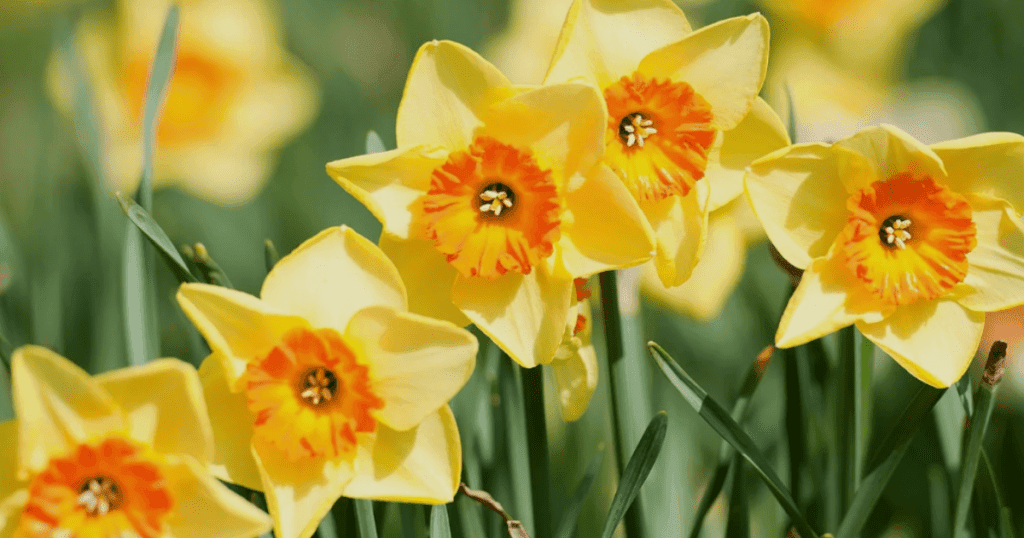
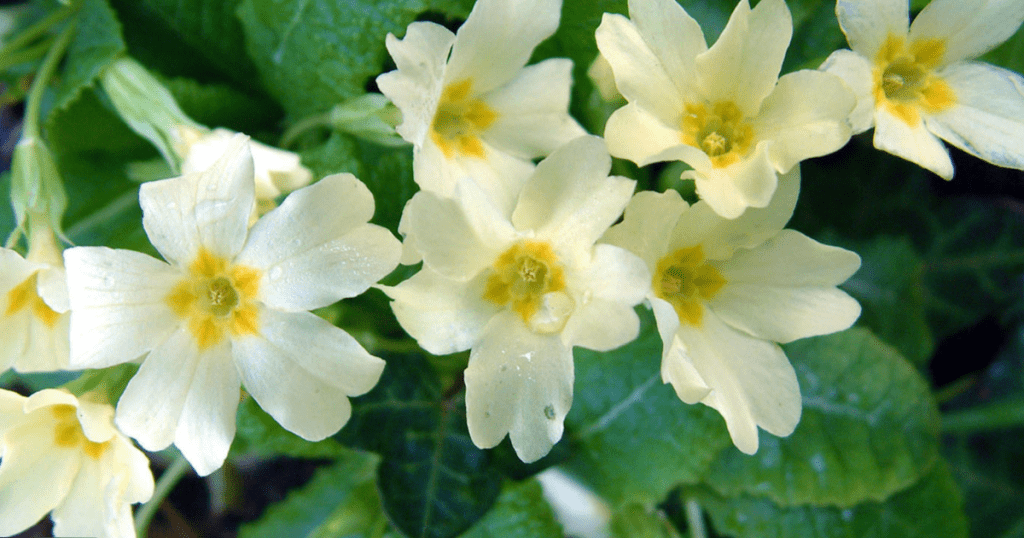
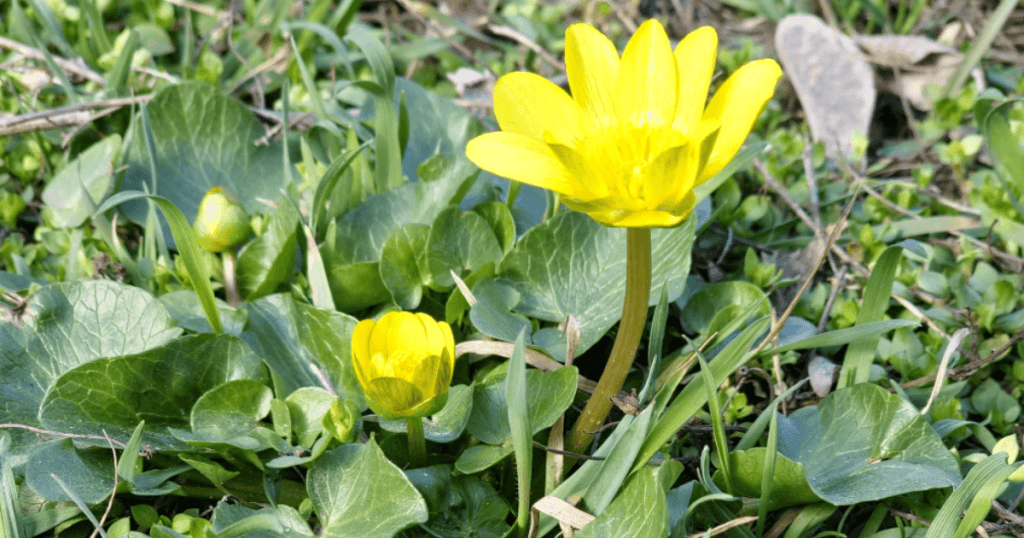
White and yellow are the most common colours among early spring wildflowers. These pale colours are especially effective during late winter and early spring when light levels are low and vegetation is sparse.
Early flowering plants benefit from these colours because:
- White and yellow flowers reflect more light, making them easier for insects to spot on dull days
- They stand out against dark soil and leaf litter, helping pollinators locate them quickly
- Many pollinators can see ultraviolet light, and pale flowers often have strong UV markings that guide insects to nectar
At a time when pollinators are low on energy, flowers that are easy to see have a better chance of being visited and successfully pollinated.
What Are the First Flowers to Bloom in Spring?
Some spring flowers appear very early in the year, often pushing through frozen ground or flowering before trees have grown their leaves. Common early spring wildflowers in the UK include:
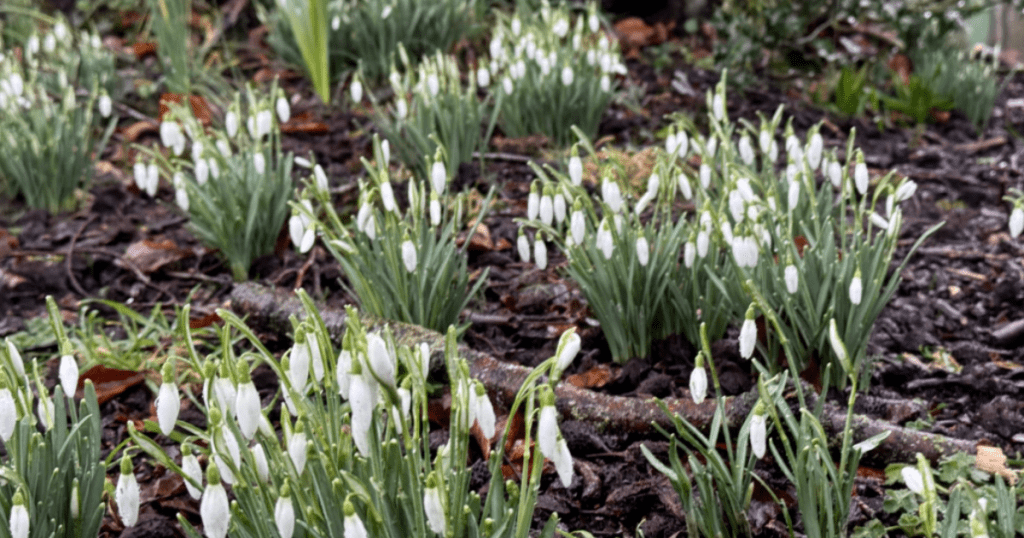
- Snowdrops, often flowering from late winter
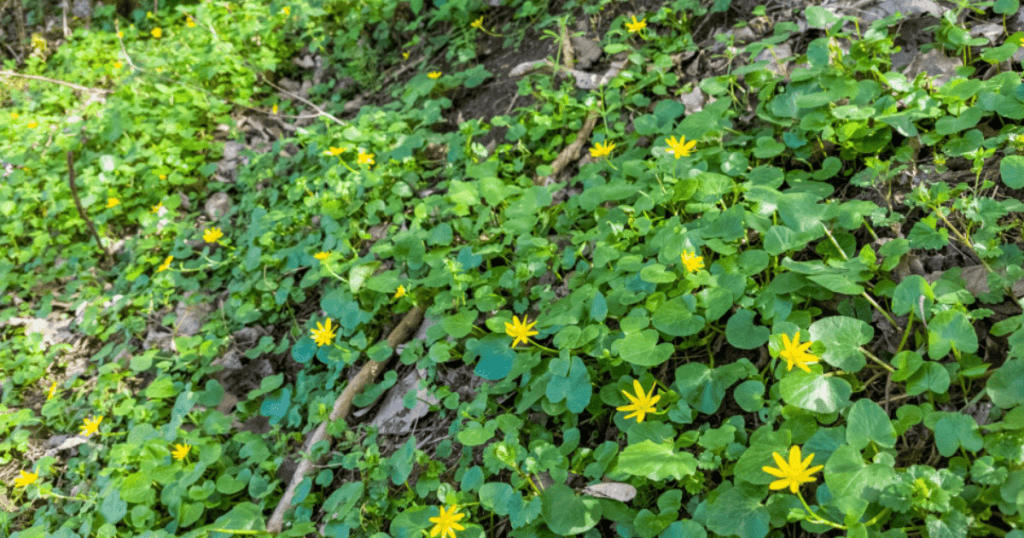
- Lesser celandine, forming bright yellow carpets along paths and banks
- Primroses, found in hedgerows and woodland edges
- Wood anemones, briefly covering woodland floors
These plants grow early to take advantage of sunlight reaching the ground before trees and shrubs create shade.
Why Early Spring Flowers Are Important for Pollinators
Early spring is a difficult time for insects. Many bees, hoverflies, and other pollinators are just emerging from hibernation, and food sources are limited.
Early spring flowers are vital because they provide:
- Nectar and pollen for insects rebuilding energy after winter
- Essential food for queen bees, who need strength to establish new nests
- The first step in the yearly pollination cycle, supporting later flowers and crops
Without early flowering plants, many pollinators would struggle to survive the gap between winter and late spring.
A Short but Crucial Season
Most spring wildflowers have a very short flowering period. Once trees leaf out and shade the ground, these plants fade away, storing energy underground until the following year.
Because they bloom for such a brief time, spring flowers are easy to overlook, but they play a crucial role in supporting wildlife and signalling seasonal change.
Noticing Spring Flowers on a Nature Walk
When out on a spring walk, look low and slow. Early spring flowers are often found:
- At the base of hedgerows
- Along woodland paths
- Beneath bare trees
- In grassy banks and verges
Noticing these flowers helps children and adults alike understand how nature works together. Plants, insects, and seasons all connected.