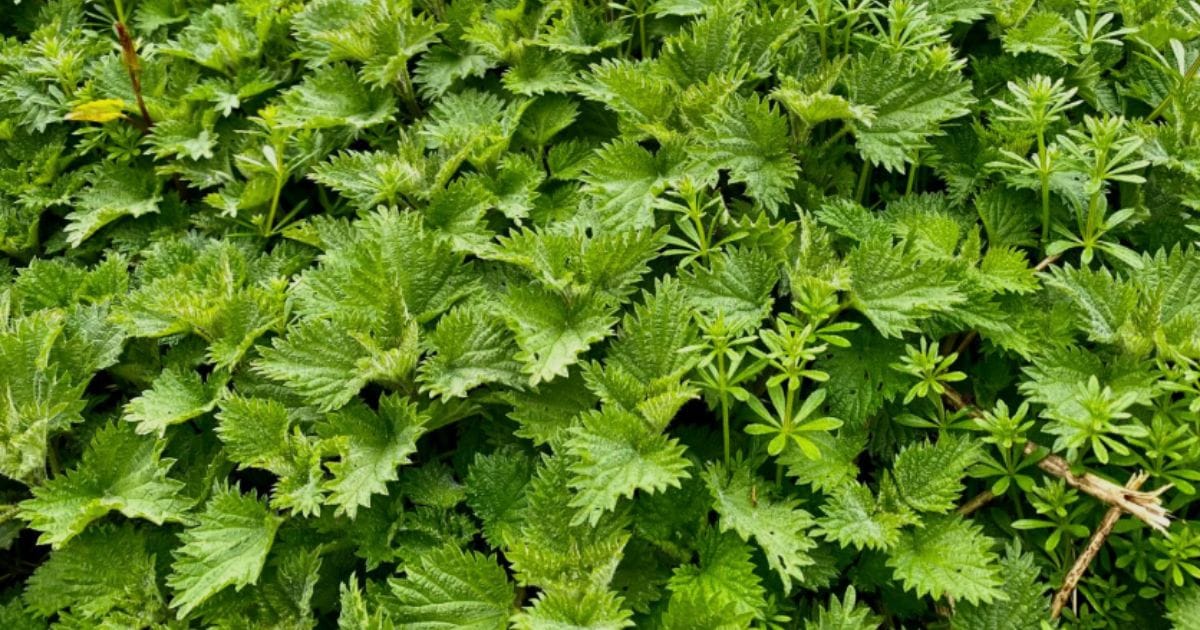
If you’ve ever been stung by a nettle, it’s easy to think of them as nothing more than an unwelcome weed. Many gardeners pull them up as soon as they appear, determined to keep borders and flower beds looking tidy.
But before you reach for the gardening gloves, it might be worth looking at common nettles a little differently.
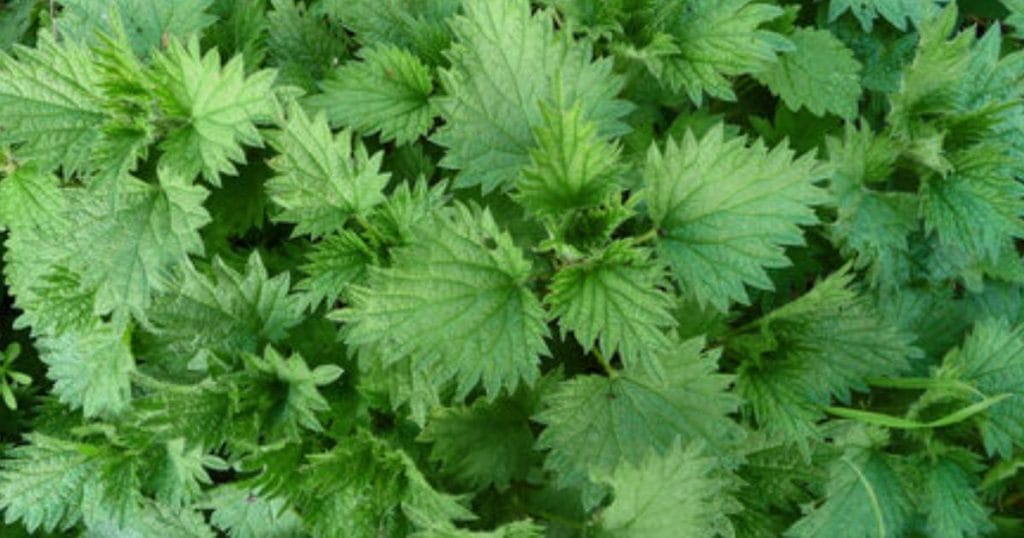
Far from being a nuisance, common nettles (Urtica dioica) are one of Britain’s most valuable native plants. They support wildlife, can be harvested for food, and even help improve the health of your garden.
A Lifeline for Butterflies
One of the biggest reasons to leave a patch of nettles growing is the incredible number of insects that rely on them.
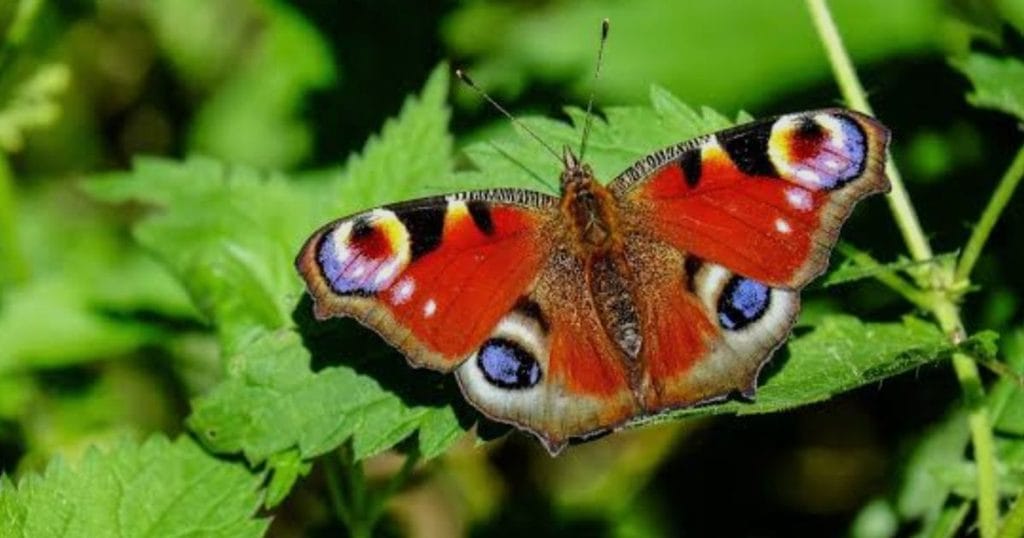
Several of our most-loved butterflies lay their eggs on nettles, including:
- Peacock butterflies
- Small tortoiseshell butterflies
- Comma butterflies
- Red admiral butterflies
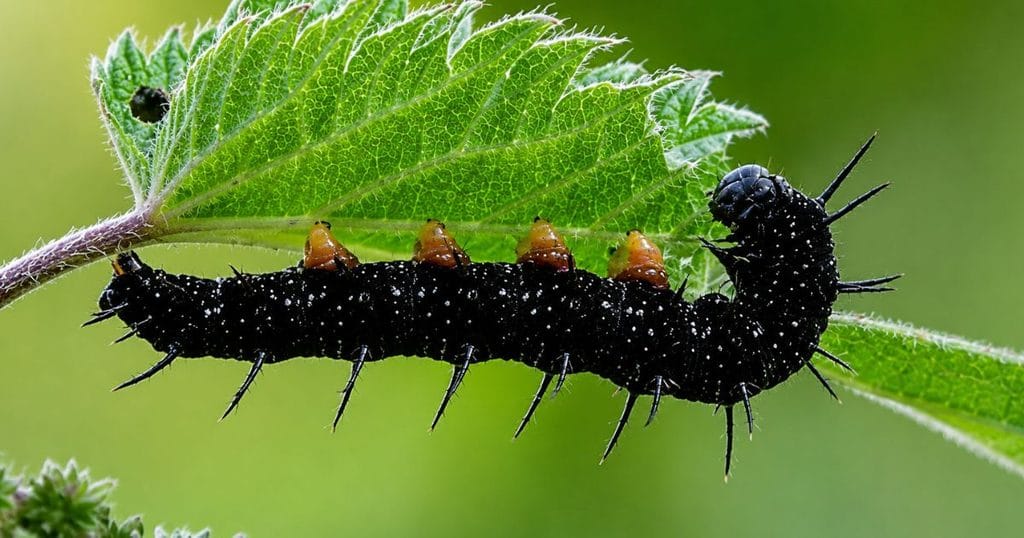
When the eggs hatch, the hungry caterpillars feed almost exclusively on nettle leaves. Without nettles, these beautiful butterflies would struggle to survive.
If you’ve ever wondered why you don’t see as many butterflies as you used to, the loss of wild plants like nettles is one reason.
Keeping Caterpillars Away from Your Crops
Some gardeners worry that encouraging caterpillars means more damage to their vegetable patch.
In reality, the opposite can often be true.
Many butterfly species have evolved to use nettles as their preferred food plant. By leaving a patch of nettles in a quiet corner of the garden, you’re providing exactly what these caterpillars are looking for. Rather than searching for other plants to feed on, they’re much more likely to stay on the nettles.
It’s a simple example of working with nature instead of against it.
Nettles Are Surprisingly Nutritious
Believe it or not, nettles have been used as food for hundreds of years.
Young nettle leaves are packed with nutrients, including:
- Vitamin A
- Vitamin C
- Vitamin K
- Iron
- Calcium
- Potassium
Once cooked, the stinging hairs become harmless, making nettles a delicious ingredient for soups, pasta dishes, pesto and even tea.
Just remember to wear gloves when picking them, choose young fresh growth, and avoid harvesting from roadsides or areas that may have been treated with chemicals.
A Natural Mulch for Your Garden
Nettles continue to be useful even after the growing season has finished.
In late autumn or winter, you can cut them back and use the stems and leaves as a natural mulch around flower beds and vegetable plots. As they break down, they return valuable nutrients to the soil and help improve its structure.
Many gardeners also use nettles to make a homemade liquid fertiliser, often called nettle tea. By soaking the leaves in water for a couple of weeks, you create a nutrient-rich plant feed that many vegetables and flowers love.
Creating a Wildlife-Friendly Corner
Of course, you probably don’t want nettles taking over your entire garden.
Instead, consider leaving a small patch in a quiet corner where they won’t get in the way. Alongside native wildflowers and long grass, they’ll create a miniature wildlife haven that supports butterflies, bees and many other insects.
A slightly untidy corner can become one of the busiest parts of your garden for wildlife.
A Different Way of Looking at “Weeds”
Nature doesn’t always fit neatly into our idea of a perfect garden.
Plants like nettles, dandelions and clover are often dismissed as weeds, yet they provide food and shelter for countless creatures that share our outdoor spaces.
By making room for a few nettles, you’re helping butterflies complete their life cycle, giving pollinators more places to thrive, and creating a healthier, more balanced garden.
Sometimes, the plants we appreciate the least turn out to be the most valuable of all.