With the trees turning beautiful shades of gold, orange and brown, the ground is covered in fallen leaves just waiting to be discovered. And what better way to put a few of those crunchy autumn leaves to good use than by turning them into a magnificent lion’s mane?
This simple paper plate craft is perfect for little hands, requires just a few everyday materials and combines the fun of an autumn walk with an afternoon of creativity.
What You’ll Need
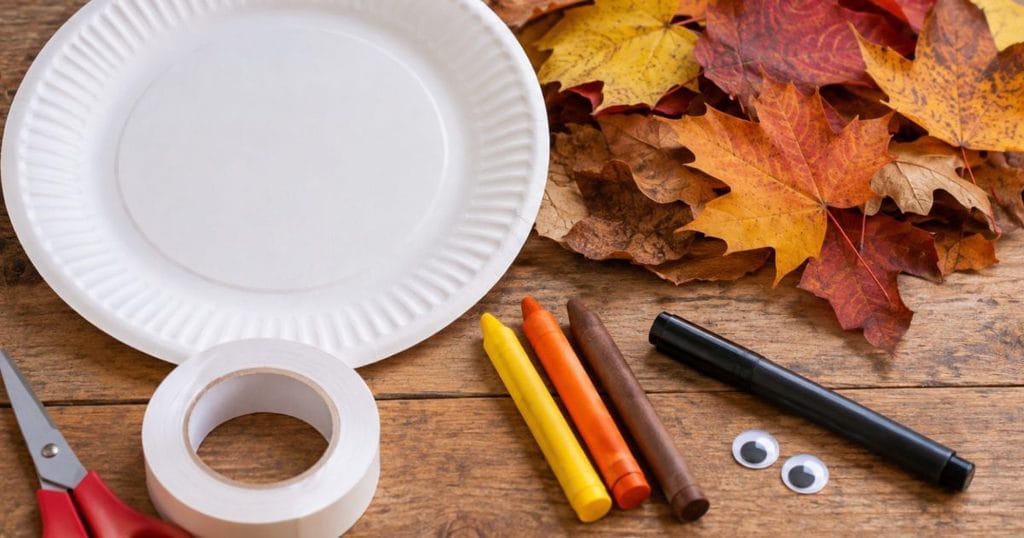
Optional: googly eyes
A plain paper plate
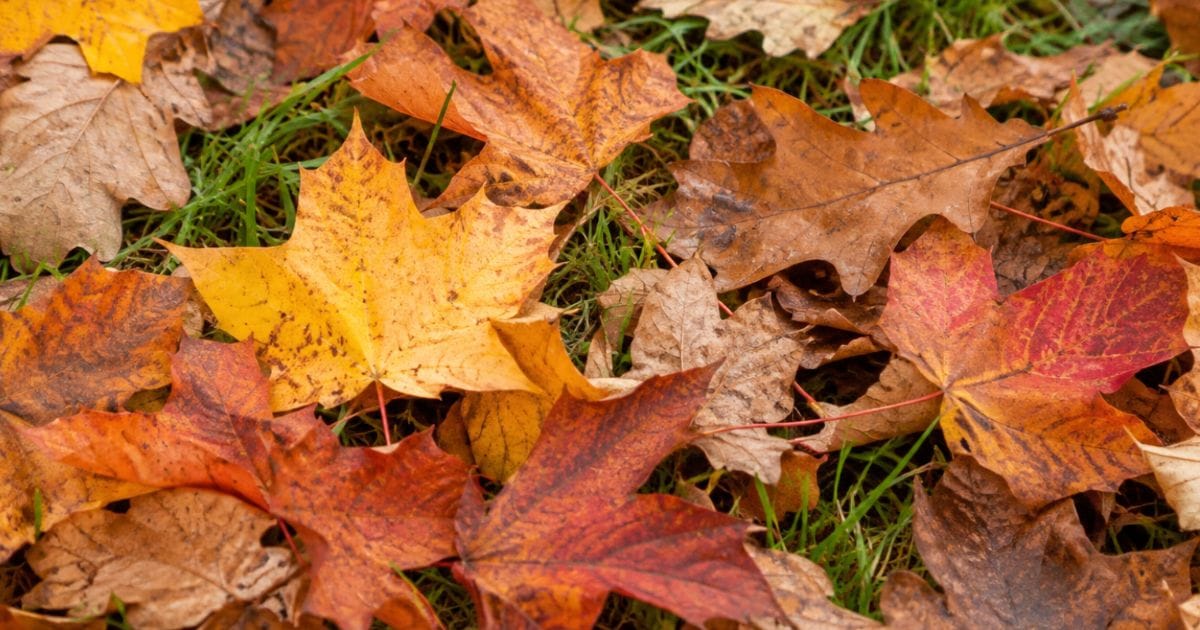
A handful of fallen autumn leaves
Double-sided sticky tape
Yellow or orange crayons, pencils or paint
A black felt-tip pen
Let’s Make a Leafy Lion!
Step 1: Go on an Autumn Leaf Hunt
Before the crafting begins, it’s time to head outdoors!
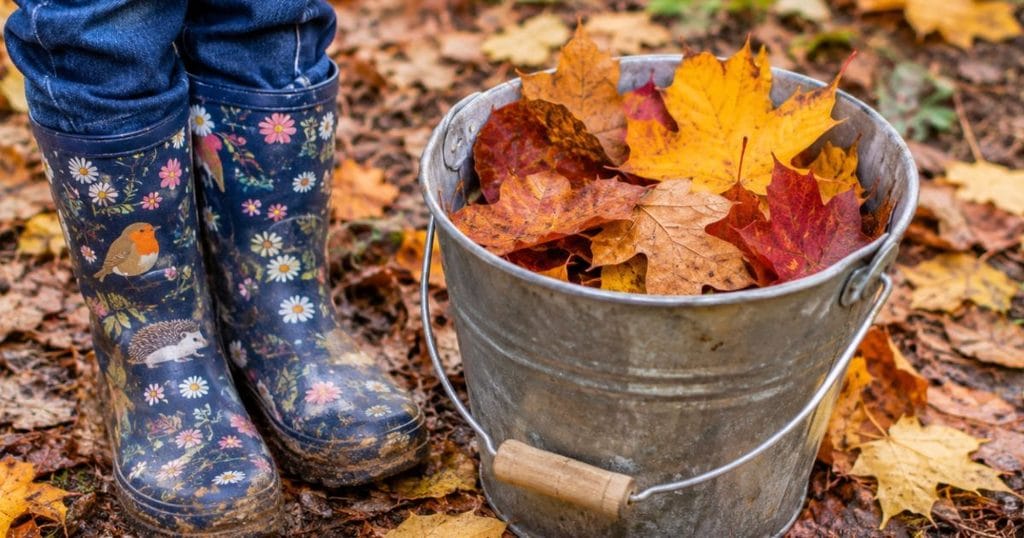
Take a little walk around your garden, local park or woodland and see how many different leaves you can find.
Look for golden yellows, rusty oranges and warm browns. Try collecting leaves of different shapes and sizes to give your lion a wonderfully wild mane!
Choose leaves that are already on the ground, and remember to leave plenty behind for the little creatures that rely on them for shelter.
Step 2: Create Your Lion’s Face
Once you’re home, it’s time to get creative!
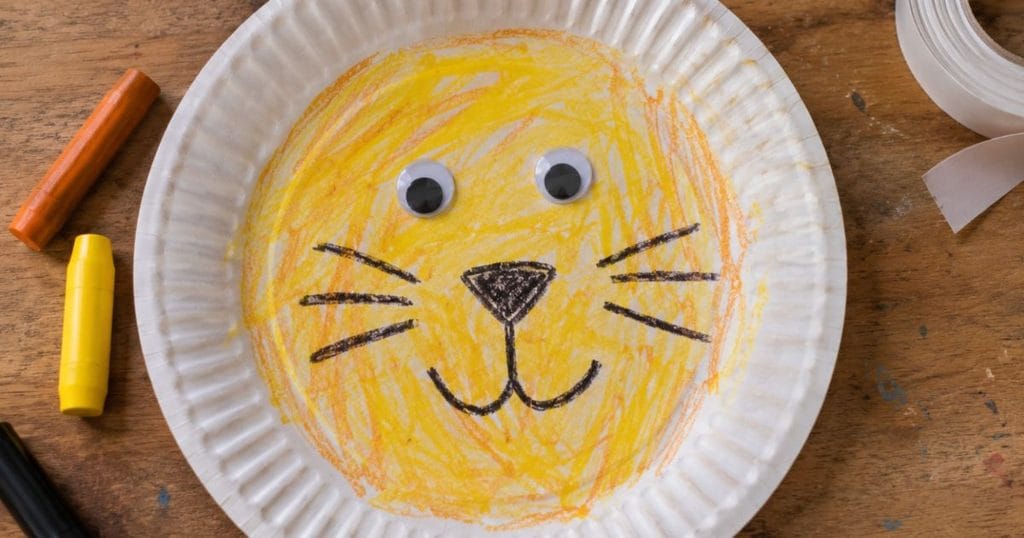
Take your paper plate and colour the centre yellow or orange. You could use crayons, coloured pencils or even paint.
Next, draw two eyes, a nose, a smiling mouth and some whiskers. If you have googly eyes hiding in your craft box, you could use those instead!
Don’t worry about making everything perfect. Every lion has its own personality!
Step 3: Give Your Lion a Magnificent Mane
Now for the really fun part!
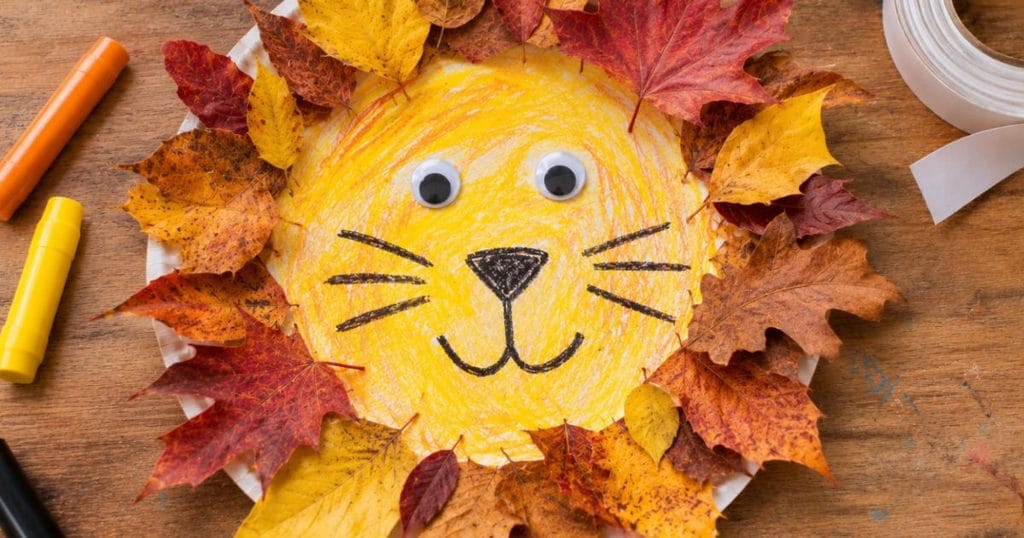
Place strips of double-sided sticky tape around the outer edge of your paper plate.
One by one, press your collected leaves onto the tape, letting them fan out around your lion’s face.
Try overlapping the leaves and mixing different colours to create a big, bushy mane.
The more shapes and textures you use, the wilder your lion will look!
Step 4: Show Off Your Creation!
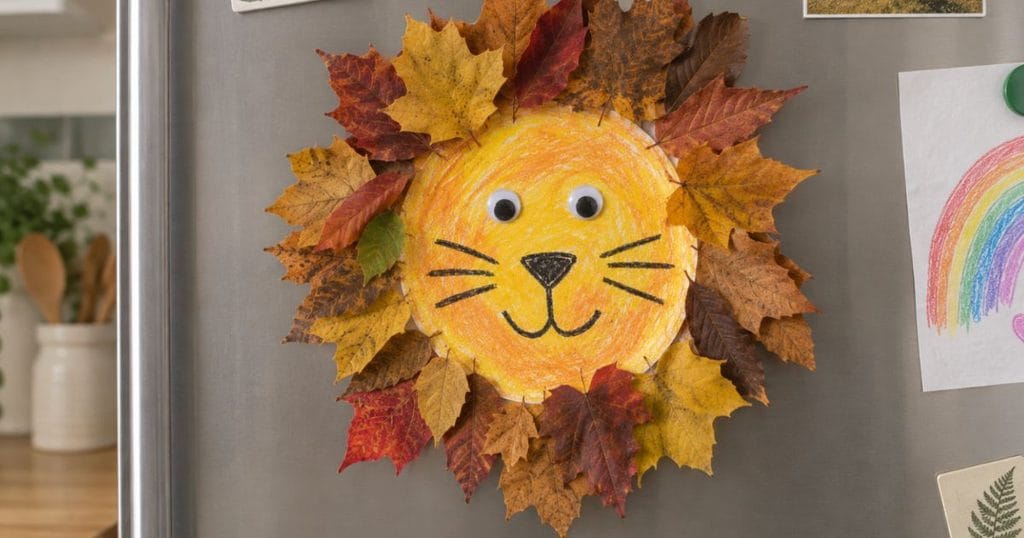
And there you have it. Your very own autumn leafy lion!
Find somewhere special to display your masterpiece, or take a photograph to remember your creation.
As the leaves dry out, they may become more brittle, so remember to handle your lion gently.
A Little Autumn Nature Magic
Have you ever wondered why leaves change colour in autumn?
During spring and summer, leaves are filled with a green pigment called chlorophyll, which helps trees use sunlight to make food.
As the days grow shorter and temperatures begin to fall, many trees stop producing as much chlorophyll. As the green colour fades, beautiful shades of yellow and orange begin to appear. Some leaves also produce red pigments, creating those wonderful autumn colours we love to see!
And those crunchy leaves scattered across the ground are doing something rather important, too.
Fallen leaves provide cosy hiding places for insects, spiders and other tiny creatures during the colder months. As they slowly break down, they also return valuable nutrients to the soil, helping new plants grow.
So while it’s lovely to collect a few leaves for crafting, leaving most of them where they fall is a wonderful way to help nature.
Keep Exploring!
The fun doesn’t have to stop once your lion is finished!
Next time you’re out walking, see how many different leaf shapes you can spot. Can you find a leaf shaped like a heart? One that’s bigger than your hand? Or perhaps one with lots of pointed edges?
You could even try making other animals using fallen leaves. How about a spiky hedgehog, a fluffy owl or a colourful butterfly?
Sometimes the simplest things we find outdoors can spark the biggest imaginations.
Happy crafting, and happy exploring!
At Skye Moore Studio, we believe that little adventures in nature can inspire big imaginations. Through our Wild Britain: Habitat Tales books and nature-inspired activities, we hope to encourage children to discover, explore and care for the wonderful natural world around them.