When I began publishing my nature-led children’s books, one decision felt especially important: how they would be printed.
As an independent children’s book publisher in the UK, I wanted to choose a model that aligned with my values, not just creatively, but environmentally too.
There are many ways to publish a book. Large print runs can reduce the cost per copy, but they also come with risk. Boxes of unsold books. Storage issues. Overstock. And in some cases, perfectly good books being pulped or sent to landfill if they don’t sell.
That didn’t sit comfortably with me.
A Sustainable Publishing Choice
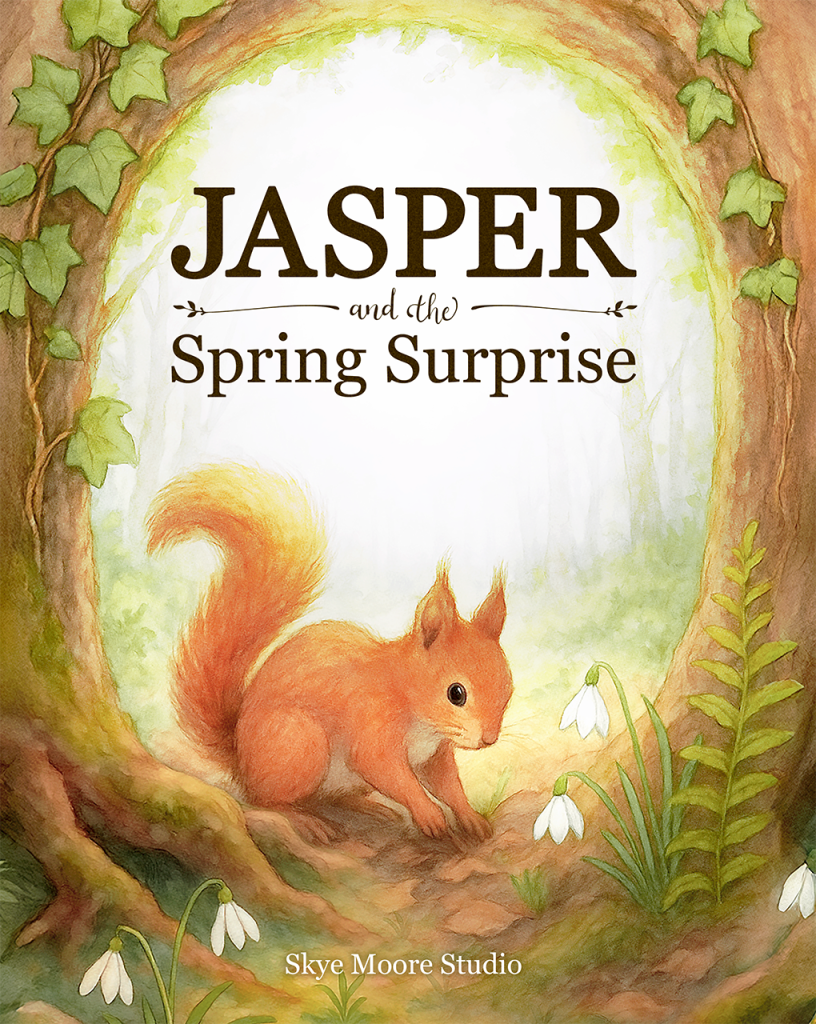
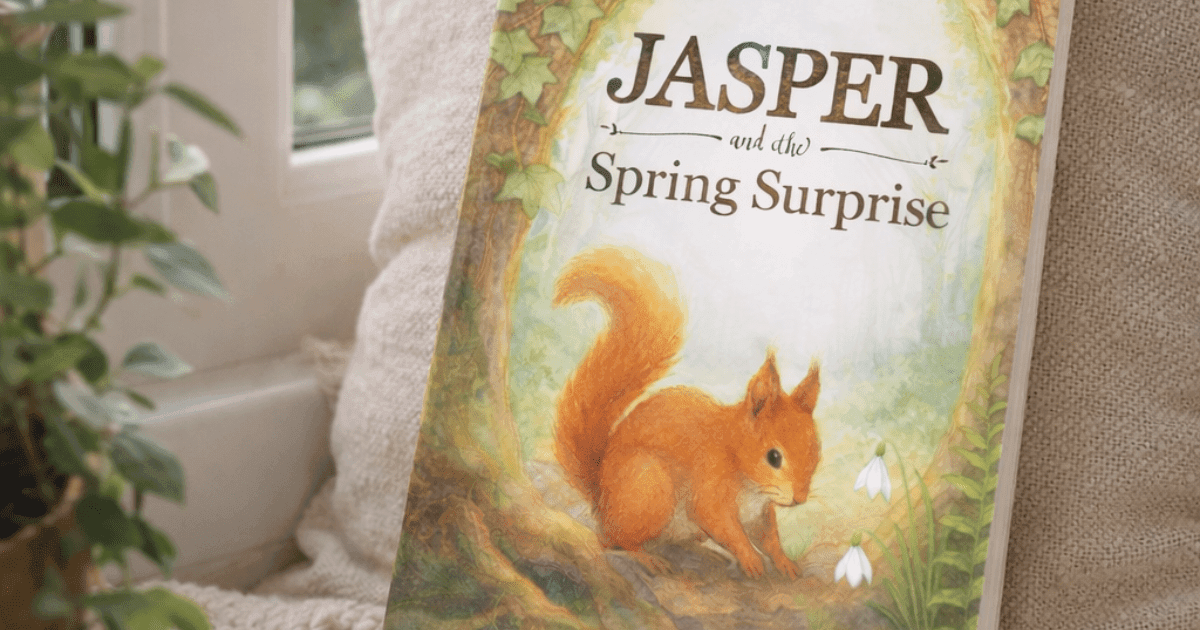
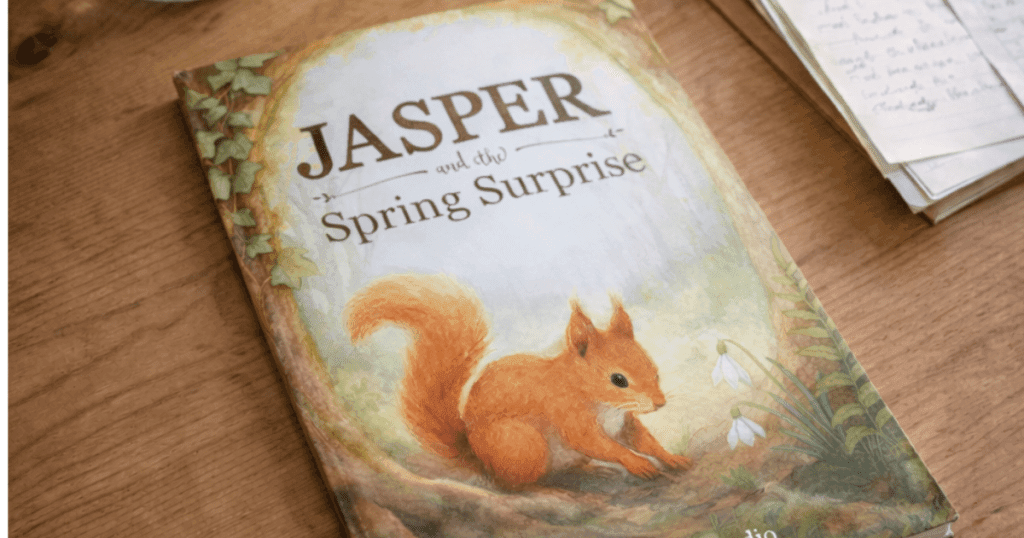
At the heart of Skye Moore Studio is a love for Britain’s wildlife, landscapes and seasons. Stories like Jasper and the Spring Surprise were created to nurture curiosity about the natural world, so it only felt right that the production process reflected those same values.
That’s why I chose Print on Demand (POD) – a sustainable printing option for authors that ensures a book is printed only when someone orders it.
No warehouse full of excess stock.
No surplus copies destined for disposal.
No unnecessary waste of paper, ink, fuel or storage space.
Each copy exists because someone has chosen to read it.
For me, creating eco-friendly children’s books means thinking beyond the story itself. It means considering the full lifecycle of the product – from printing to delivery.
The Environmental Impact of Traditional Print Runs
Traditional publishing often relies on large print runs of hundreds or even thousands of copies at once. While this can reduce manufacturing costs, it can also create environmental consequences. Unsold stock may be destroyed or pulped, and storing large quantities of books requires warehousing that consumes energy and physical space. Transporting bulk inventory also increases carbon emissions, while paper production relies on finite natural resources.
As someone writing about hedgerows, woodland creatures and coastal habitats, I couldn’t ignore that contradiction.
Forests take decades to grow. Wildlife habitats are fragile. Our planet’s resources are finite. Sustainable publishing in the UK – and globally – requires careful choices at every stage.
A Slower, More Environmentally Conscious Model
Print-on-demand books in the UK allow small independent publishers like me to operate in a more environmentally conscious way. This model helps reduce waste and lowers the risk of overproduction, while also encouraging more efficient use of resources through flexible, demand-led printing.
It may not be the fastest way to scale, but it is a thoughtful way to grow.
As an independent author focused on conservation, choosing sustainable printing for my books felt like a natural extension of the stories themselves. It also allows me to continue donating 25% of profits to conservation charities, supporting wildlife beyond the page.
Sustainable Values, Inside and Out
Protecting wildlife isn’t just something that happens inside the pages of a book.
It’s reflected in the publishing decisions behind the scenes too.
Choosing print on demand is one small but meaningful way to reduce excess and respect the materials we use. If we’re teaching children to care for the planet, then the way we produce their books should reflect that same care.
Sustainable publishing may not always be the traditional path. But for me, it’s the right one.