When we think of the beach, we often picture sandy toes, rolling waves, buckets and spades, and the sound of the sea. But beyond being a place to visit and explore, beaches are also rich and important natural habitats, full of life.
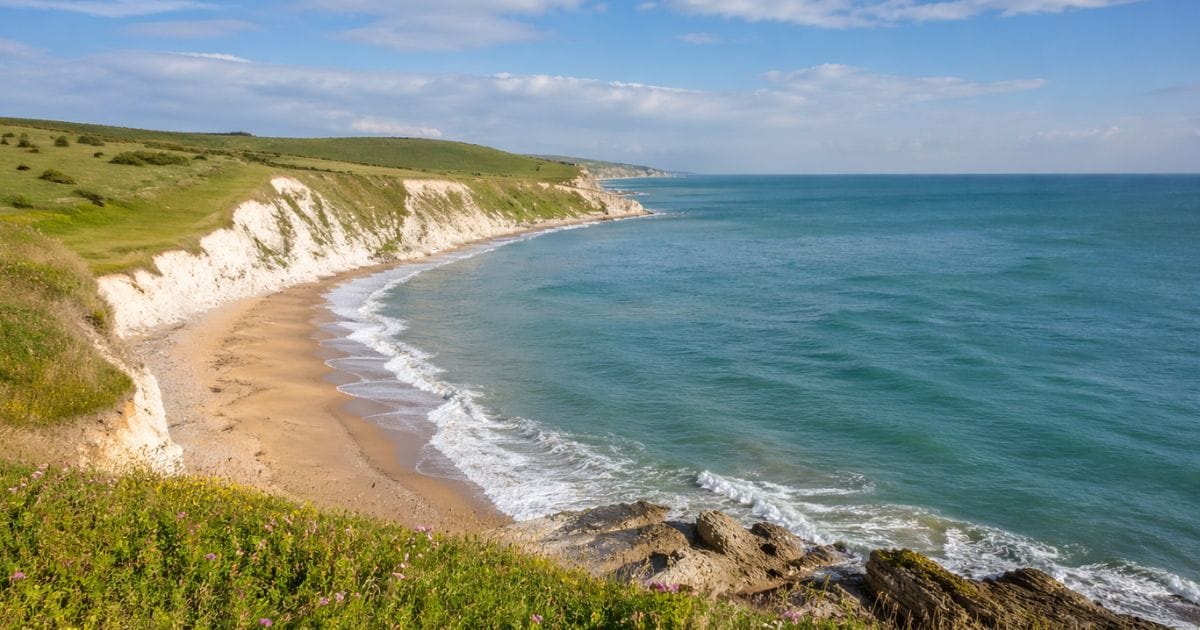
A beach habitat is the area where the land meets the sea. Across the British coastline, these habitats include sandy shores, shingle and pebble beaches, dunes, and the edges of coastal grasslands. These environments may look simple at first glance, but they are home to a surprising variety of plants and animals specially adapted to survive there.
A Place of Constant Change
A UK beach habitat is always shifting. Tides come and go, winds reshape the sand, and storms can dramatically alter the landscape overnight. Because of this, the plants and animals that live here must be resilient and adaptable.
The twice-daily movement of the tide creates different zones along the beach:
- The upper shore, which is only reached by the highest tides
- The middle shore, regularly covered and uncovered by the sea
- The lower shore, mostly underwater
Each zone supports different kinds of life.
Wildlife You Might Spot
Even on a quiet stretch of the British coastline, there is plenty to discover if you look closely.
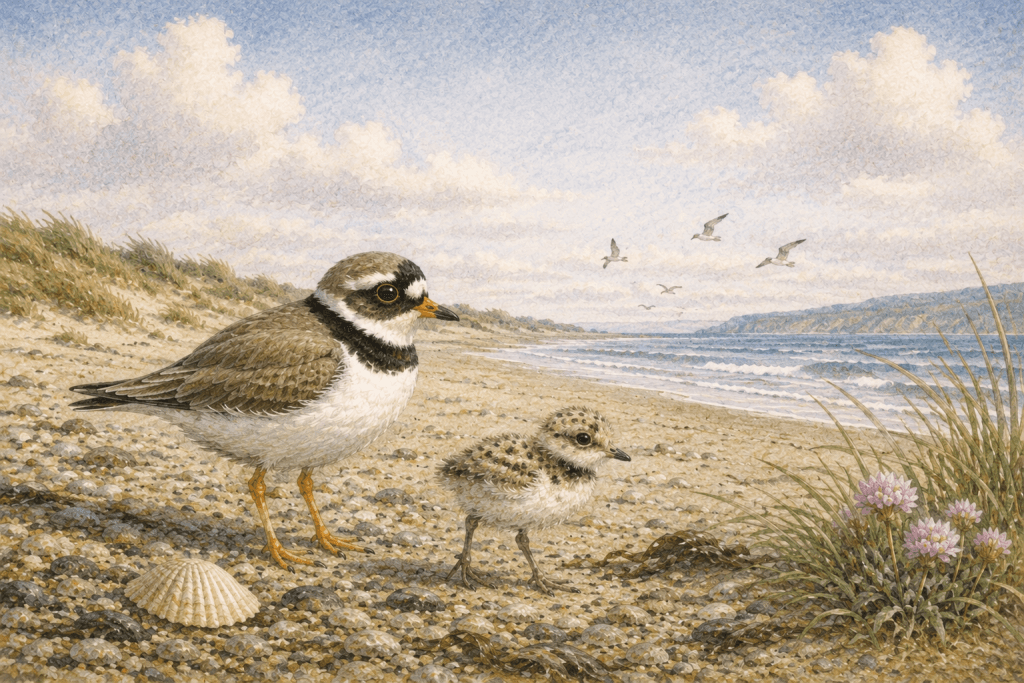
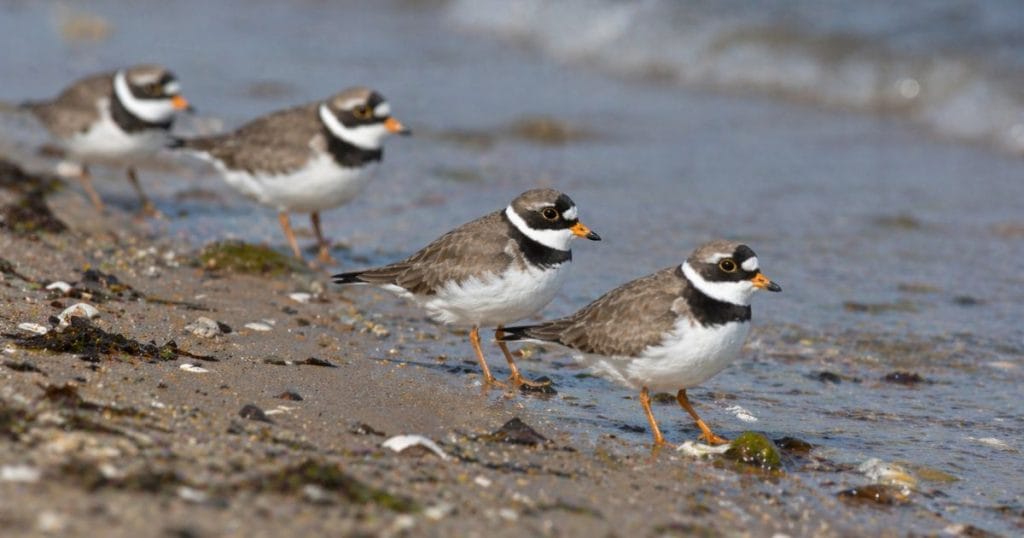
Along the shoreline, you might see small shorebirds such as ringed plovers darting along the sand, searching for food. These birds are perfectly adapted to life in a UK beach habitat, with quick movements and camouflaged colouring that helps them blend into their surroundings.
Oystercatchers patrol the shoreline and shallow waters, looking for small crabs, worms, and shellfish. Their striking black and white feathers, bright orange beaks, and loud calls make them a wonderful bird to spot.
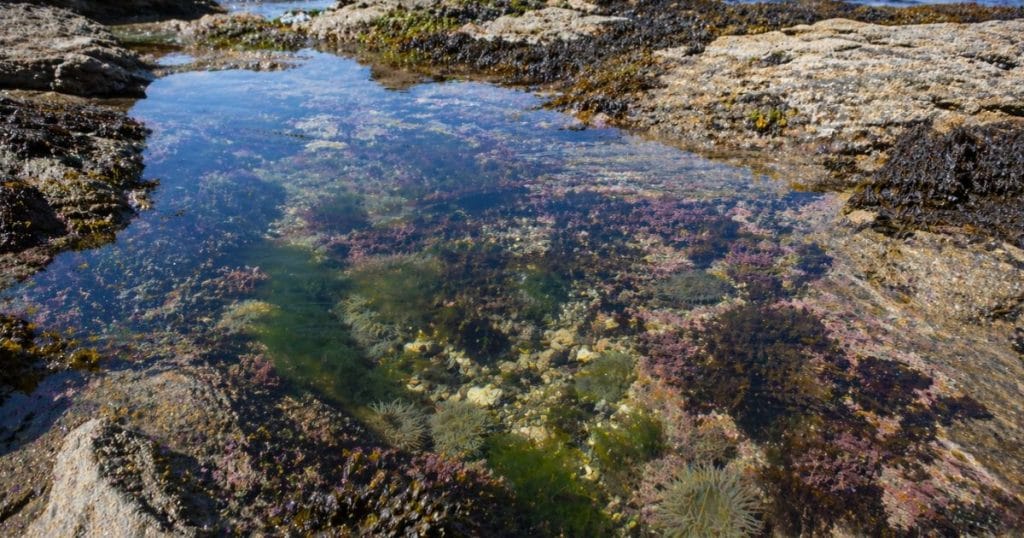
Beneath the surface, creatures like crabs, worms, and tiny molluscs burrow into the sand or hide in rockpools that fill and empty with the tides. Washed-up seaweed provides food and shelter for many small invertebrates.
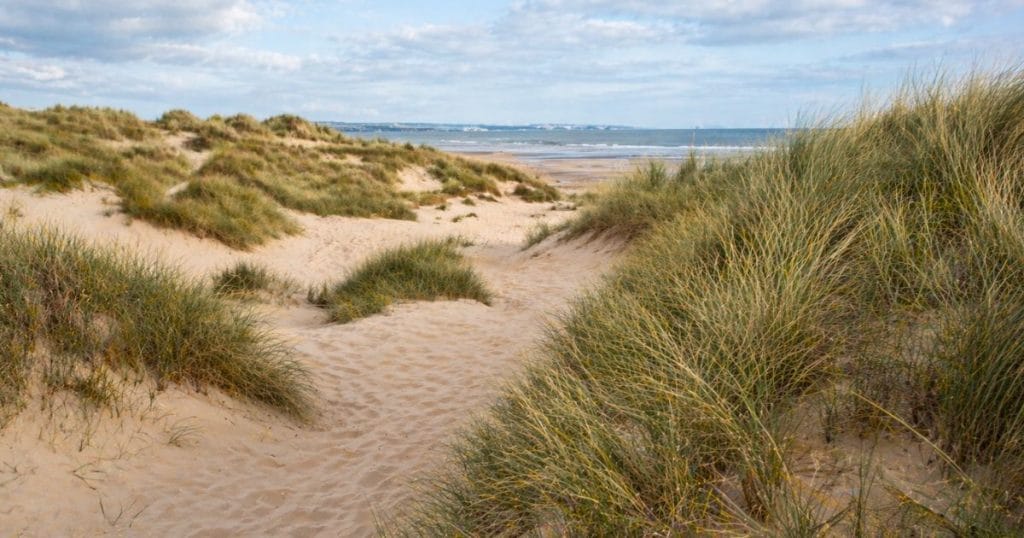
In the dunes, hardy plants such as marram grass grow deep roots to hold the sand in place. These plants create shelter for insects and other wildlife, and help protect the coastline from erosion.
Why Beach Habitats Matter
Beach habitats play an important role in protecting our coastlines. Along the British coastline, sand dunes act as natural barriers against strong winds and waves, helping to reduce flooding and erosion.
They are also vital breeding and feeding grounds for many species. Birds like the ringed plover lay their eggs directly on the sand, making them especially vulnerable to disturbance.
A healthy UK beach habitat also supports marine life, linking land and sea in a delicate and balanced system.
How We Can Help Protect Them
Beaches may feel wide and open, but they are sensitive places. Small actions can make a big difference:
- Keep to marked paths when walking through dunes
- Avoid disturbing nesting birds or protected areas
- Take litter home (including food waste)
- Keep dogs under control, especially during breeding season
- Leave natural materials like shells and seaweed where they are
By taking care, we can help ensure these habitats along the British coastline remain safe for wildlife to thrive.
A Gentle Place to Explore
Beach habitats are wonderful places for children (and adults) to connect with nature. From watching waves roll in to spotting tiny creatures in the sand or pausing for a moment of birdwatching, there is always something to discover.Stories like Bramble and the Beach Nest are inspired by these special places, helping young readers understand and care for the wildlife that calls the coast home.