Early spring is a wonderful time to start noticing colour in the natural world. Before gardens are full of bright blooms, many spring flowers appear in soft whites and sunny yellows. Colours that are easy for insects to spot.
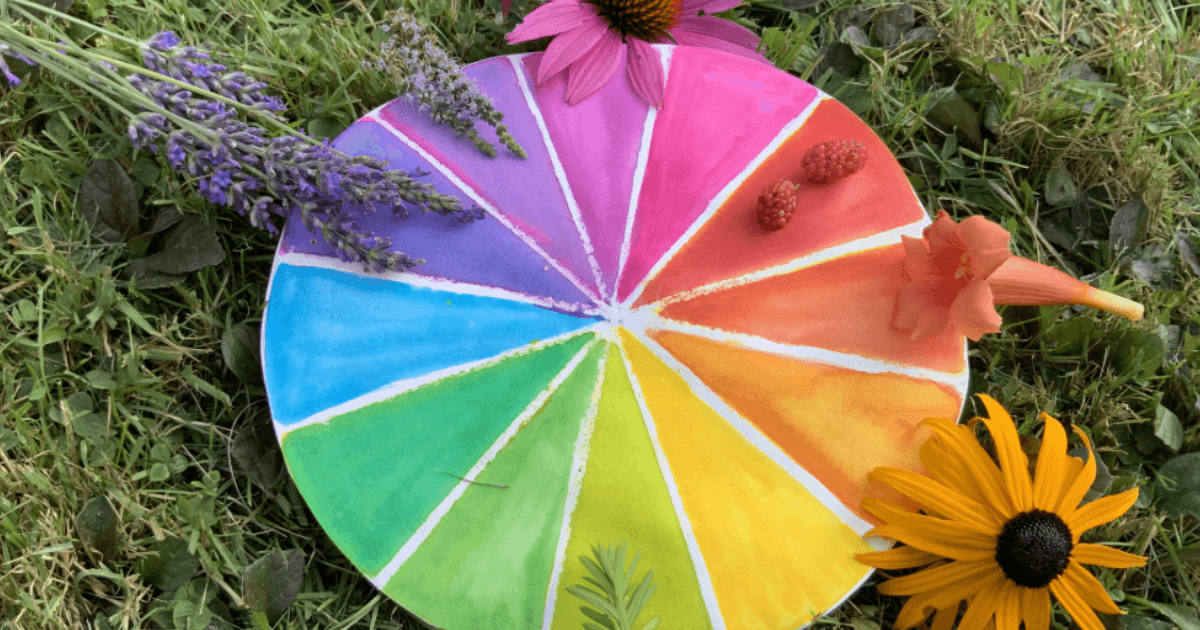
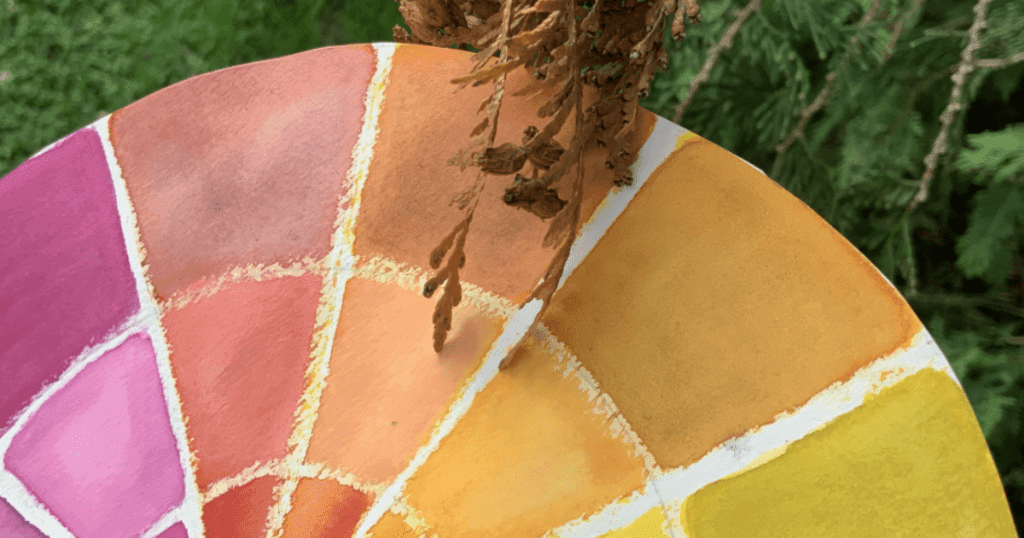
This simple colour wheel craft helps children explore how pollinators see the world, while encouraging curiosity, creativity, and gentle observation.
What You’ll Need
Optional: nature books or photos of flowers and insects
Paper or thin card
Pencils, crayons, or paints
A circular object to draw around (plate, bowl, or lid)
How to Make a Pollinator Colour Wheel
Draw a circle
Use a plate or bowl to draw a large circle on the paper.
Divide the circle into sections
Split the circle into 4–6 segments, like slices of a pie.
Choose your colours
Encourage children to colour each section using shades often found in flowers:
Yellow
White
Blue
Purple
Pink
Add details
Children can draw simple flowers, dots, or patterns in each section or keep it abstract.
Talk as you create
While colouring, chat about questions like:
Which colours are easiest to see?
Why might insects like yellow or white flowers in early spring?
Why This Craft Works
This activity is simple, but it opens the door to big ideas.
It helps children:
- Learn that flowers and insects depend on each other
- Understand why early spring flowers are often pale or bright
- Build observation skills and colour awareness
- Connect art with the natural world
It’s also easily adapted for different ages – from free colouring for younger children to more detailed discussion with older ones.
Take It Outside (Optional)
If you’re heading out for a spring walk, bring the colour wheel along.
Look for:
- Flowers that match the colours on the wheel
- Insects visiting different blooms
- How flowers stand out against grass, soil, or leaf litter
This helps children connect their craft to the real world around them.
This craft focuses on looking, noticing, and learning – not picking flowers. Encourage children to leave plants where they are and enjoy them growing in their natural places.
Decorating plant pots is more than just a craft – it’s the start of a growing journey. From painted pots to tiny shoots and, eventually, flowers or food, this simple activity creates something to care for and return to day after day.
Perfect for early spring, rainy afternoons, or as a gentle introduction to gardening.