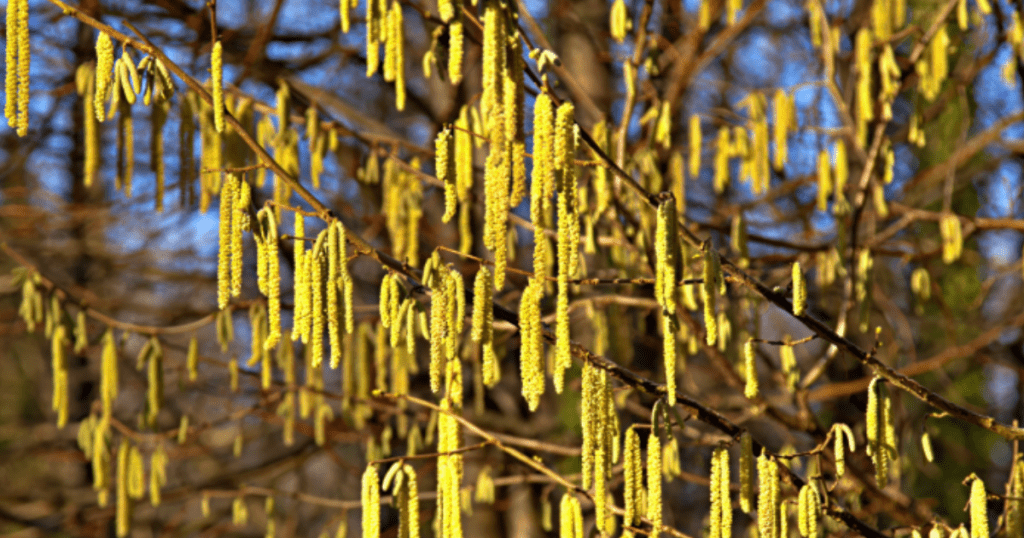
If you take a walk through woodland, hedgerows, or parks in winter or early spring, you may notice long, pale yellow strands hanging from bare branches. These are hazel catkins (the male flowers of the hazel tree) and they are one of the earliest signs of the changing seasons in the UK.
Because hazel trees lose their leaves in winter, catkins on hazel trees are easy to spot at this time of year, gently swaying in the breeze long before spring flowers appear.
What Are Catkins?
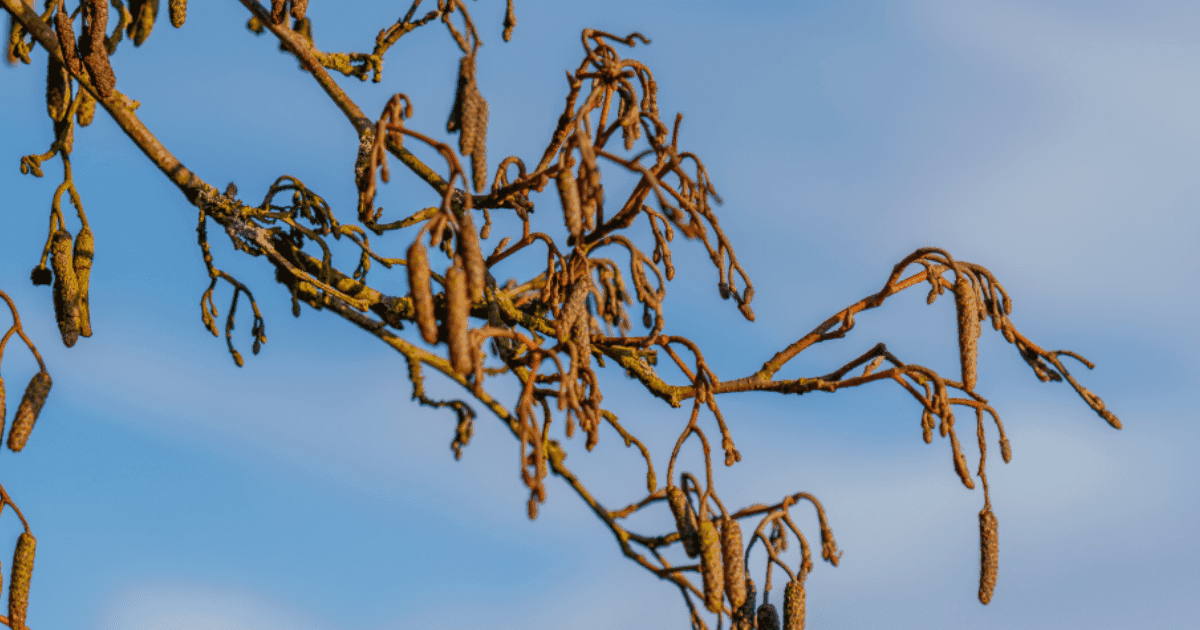
Catkins are the male flowers of certain trees, including hazel, alder, birch, and willow. On the hazel tree, catkins begin forming in autumn but remain tightly closed throughout winter.
As daylight increases in late winter and early spring, hazel catkins lengthen and open, releasing pollen into the air. Their distinctive dangling shape and soft texture make them easy to recognise once you know what to look for.
Hazel Tree Catkins and Pollen
Hazel trees are wind-pollinated, meaning they do not rely on insects like bees. Instead, hazel catkins release pollen into the air, often between January and March in the UK.
This pollen travels on the wind to reach the female flowers of the hazel tree. These female flowers are much smaller and easy to miss. They appear as tiny buds with bright red, thread-like tips emerging from the branches.
For people with hay fever, hazel pollen can sometimes be an early trigger, as it’s released so early in the year.
From Hazel Catkins to Hazelnuts
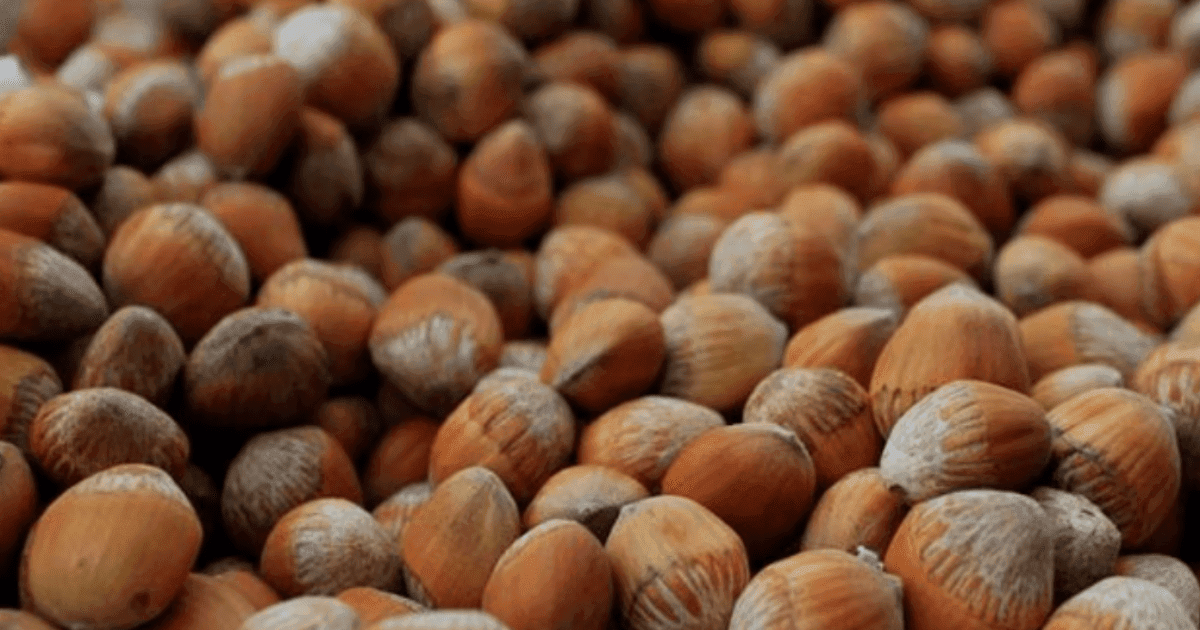
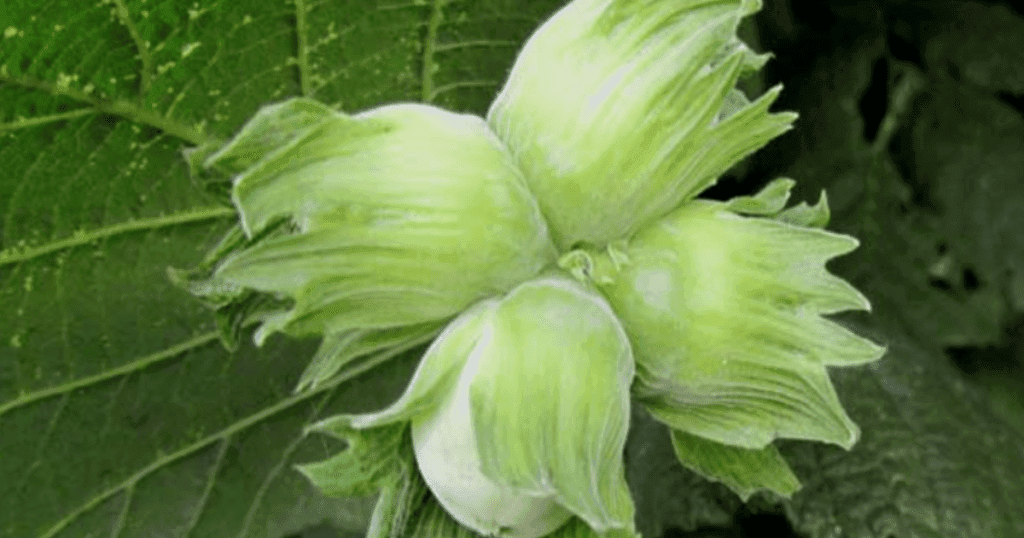
Once pollination has taken place, the hazel tree begins a long, slow process of growth. Over the following months, the fertilised flowers develop into hazelnuts, which are ready by late summer or autumn.
This means hazel trees are already preparing next autumn’s food supply while winter is still lingering. A quiet reminder of how far ahead nature plans.
Which UK Animals Eat Hazelnuts?
Hazelnuts are a vital food source for many UK woodland animals, particularly in autumn when animals are preparing for winter or hibernation.
Common animals that eat hazelnuts include:
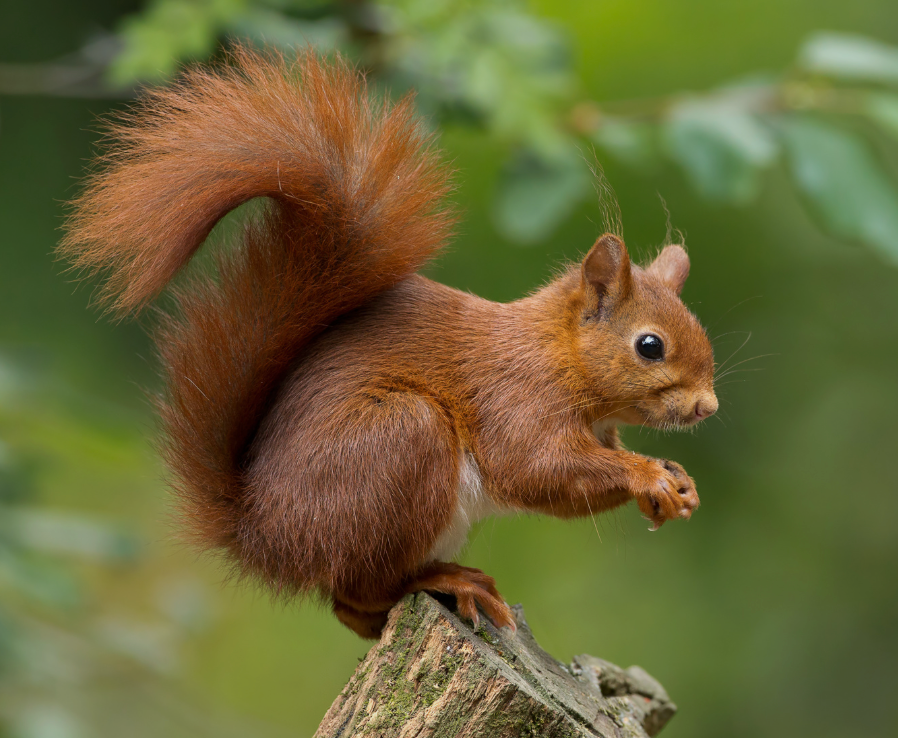
- Red squirrels
- Wood mice and bank voles
- Dormice
- Jays and other woodland birds
- Deer, which browse fallen nuts
Many animals cache hazelnuts to eat later, and forgotten nuts can germinate, helping new hazel trees grow naturally.
Why Hazel Catkins Matter
Hazel catkins may seem small or easily overlooked, but they play a crucial role in the woodland ecosystem. They mark the very beginning of the hazel tree’s yearly cycle – from winter catkins, to spring pollination, to autumn hazelnuts that support wildlife.
Next time you spot catkins on a hazel tree, you’ll know you’re witnessing one of the earliest signs that spring is already on its way.